
Introduction: Capitalizing on the Arbitrage of Frozen Time
Imagine a massive infrastructure project—a dam left half-built and abandoned. The upstream reservoir is overflowing, while downstream communities suffer from severe drought, ready to pay astronomical premiums for utility access. Completing the construction guarantees monopoly wealth. However, the original architect has entirely exhausted available capital for materials.
To compound the crisis, early-stage financial partners are aggressively demanding liquidity and immediate exits. An asset that should generate a golden yield upon completion is suddenly reduced to a concrete graveyard, serving merely as a colossal sunk cost. In this desperate deadlock, an apex predator of the capital markets intervenes.
By deploying overwhelming equity, the new sponsor acquires the distressed asset at a discount, flushes out dissenting shareholders, and completes the infrastructure. This executes the ultimate arbitrage of time and capital. The following analysis dismantles the underlying structural blind spots, governance mechanisms, and downside hedges that define modern mega-cap buyout strategies, moving far beyond surface-level valuations.
The Case Study: Unlocking the South Korean Renewable Gridlock
To ground this structural theory in reality, one must examine the recent buyout of SK Eternix, a premier renewable energy developer in South Korea, by the global private equity firm KKR. Stripping away the superficial narratives of ESG mandates and corporate synergies reveals a transaction driven entirely by the arbitrage of capital cost differentials and permitting timelines.
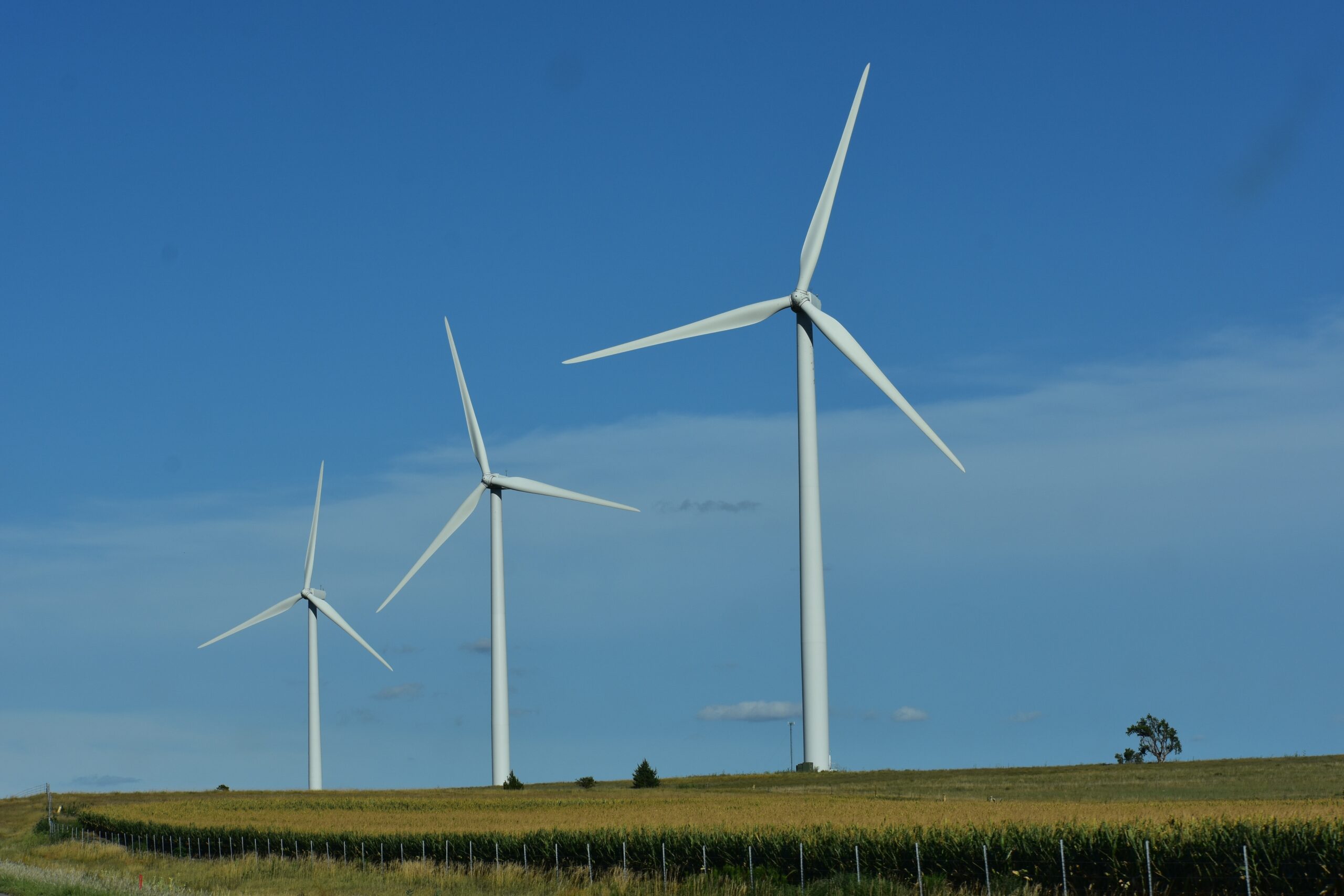
The core business of renewable energy development is not merely construction; it is a fiercely capital-intensive political game requiring the management of extreme uncertainty. The initial development phase—securing land, obtaining municipal permits, and compensating local residents—represents an aggressive cash burn cycle. SK Eternix had successfully navigated this perilous phase, securing offshore wind and fuel cell permits, alongside the highly coveted grid connection rights from the state utility provider.
However, a fatal structural bottleneck emerged at the project financing (PF) stage. Macroeconomic headwinds, characterized by sustained high interest rates and a domestic real estate PF crisis, severely contracted market liquidity. Bridge loan rates escalated beyond the point of eroding internal rates of return (IRR), reaching a critical threshold that threatened project viability.
Simultaneously, the corporate parent, SK Discovery, faced liquidity constraints and corporate rebalancing mandates, leaving it unable to inject the requisite equity. Furthermore, the existing financial investor, Hahn & Company, had reached the end of its fund lifecycle, triggering a drag-along right that paralyzed the cap table. The management was trapped in a fatal deadlock, unable to secure financing due to severe shareholder friction.
Investment Thesis & Structural Analysis
Eradicating Governance Friction
The structural architect generates immediate value by streamlining decision-making. The sponsor recognized that acquiring solely the corporate parent’s stake was insufficient. The optimal cap table strategy required an absolute consolidation of power.
- Holistic Equity Acquisition: The buyout structure dictated the simultaneous acquisition of both the corporate sponsor’s equity and the existing private equity firm’s stake, paying a premium to unify control.
- Cap Table Cleansing: By securing a dominant controlling stake exceeding 43.5%, the acquirer entirely neutralized board-level friction.
- Accelerated Capital Deployment: This unified governance structure allows for unilateral, rapid capital allocation, bypassing the bureaucratic delays of a fragmented shareholder base.
The Capital Structure Overhaul
The acquiring fund did not merely purchase equity; it purchased frozen time. By utilizing a massive climate fund with substantial dry powder, the sponsor fundamentally altered the asset’s risk profile. The fragile developer model, heavily reliant on expensive debt and rolling bridge loans, was aggressively discarded.
Instead, the sponsor injects overwhelming fund-level equity directly into the pipeline to cover initial capital expenditures (CapEx). This violent but highly effective financial maneuver instantly eliminates procurement and financing risks. The infrastructure is essentially pre-funded, bypassing the paralyzed domestic credit markets.
Multiple Expansion via Business Model Transformation
Once the capital bottleneck is shattered and commercial operations commence (COD), the unit economics of the business undergo a radical inversion. Driven by the proliferation of AI data centers and semiconductor clusters, hyperscalers are aggressively pursuing RE100 compliance.
- From Developer to IPP: The completed assets transition from speculative development projects into Independent Power Producers (IPP).
- Revenue Visibility: The firm secures 15- to 20-year Corporate Power Purchase Agreements (Corporate PPAs) with blue-chip off-takers.
- Valuation Arbitrage: Risk-adjusted cash flows command entirely different market evaluations. The sponsor acquires a low-multiple, high-risk developer, utilizes equity to sterilize the risk, and orchestrates a multiple expansion by repositioning the asset as a premium infrastructure platform.
Furthermore, monopolizing invisible moats—specifically, grid connection rights—is paramount. The domestic utility grid is facing severe capacity constraints. Even if a new entrant secures capital and permits, the inability to connect to the grid renders the asset stranded. The target’s existing pipeline inherently possesses these legacy interconnection rights, functioning as an exclusive tollgate for future power transmission.
Valuation & Risk: The Brutal Math of Downside Hedging
Financial architects design structures not merely to maximize upside, but to aggressively mandate downside protection. While retail markets fixate on exit multiples, the General Partner’s (GP) primary objective is capital preservation. Infrastructure buyouts are inherently battles against time and CapEx overruns, necessitating draconian risk management.
The Cap Stack Firewall
In typical leveraged buyouts (LBOs), sponsors maximize debt to amplify equity returns. In this specific asset class, however, overwhelming equity is deployed strategically. Future capital injections for pipeline development are often structured through Convertible Redeemable Preference Shares (CRPS) or senior structured notes.
This ensures the sponsor occupies the absolute apex of the capital structure. In the event of a project default, liquidation preferences guarantee that the fund recovers its principal prior to any distribution to common equity holders. The structurally subordinate position of the legacy corporate parent is replaced by an impenetrable senior claim.
Externalizing Operational Risk
The primary threats to mega-infrastructure projects are schedule delays and material inflation. The sponsor absolutely refuses to warehouse these risks on the fund’s balance sheet. Leveraging immense capital superiority, the GP enforces hyper-stringent turnkey contracts with Engineering, Procurement, and Construction (EPC) firms.
Any budget overruns or delays in the Commercial Operation Date (COD) trigger severe Liquidated Damages (LDs). The financial impact of accrued interest and lost revenue is transferred 100% to the contractor. The fund acts strictly as the capital provider, externalizing all operational volatility.
Neutralizing Legacy Liabilities
The permitting process for domestic renewables frequently involves gray areas, including opaque compensation structures for local fisheries and residents. These legacy practices represent critical compliance risks for global PE mandates.
The transaction architecture forces the seller to absorb these latent liabilities. Extensive Representations and Warranties (R&W) insurance is procured, and a substantial portion of the purchase price is locked in long-term escrow accounts. Should undisclosed liabilities materialize post-acquisition, the financial damages are immediately deducted from the escrow, ensuring the fund’s capital remains insulated.
Systemic Tail Risks
Despite these robust defenses, macroeconomic and systemic failures remain valid dealbreakers. The most critical vulnerability is the physical limitation of the national transmission grid. If the state utility delays grid expansion by three to five years due to budget deficits, permitted projects instantly degenerate into stranded assets. The resulting cash burn from compounding bridge loan interest can rapidly dilute the sponsor’s equity.
Additionally, a collapse in the spread between the Levelized Cost of Energy (LCOE) and power sales prices presents a fatal risk. If supply chain disruptions drive turbine and Wind Turbine Installation Vessel (WTIV) charter rates higher than the escalation in PPA pricing, the project’s IRR will plummet below the fund’s hurdle rate. To mitigate this, the platform heavily relies on immediate cash-generating assets, such as fuel cells situated near demand centers, to offset the long-duration risks associated with offshore wind.
Conclusion: Micro-Application of Mega-Cap Architecture
The architectural framework of a multi-billion dollar infrastructure buyout provides a replicable blueprint for micro-cap transactions and venture acquisitions. Assets that have achieved 90% product completion but lack the capital for commercialization—such as stalled SaaS products or media platforms suffering from founder burnout—represent identical arbitrage opportunities.
The strategic mandate remains consistent: eradicate governance friction by executing a complete buyout of legacy shareholders and distressed angels. Once the cap table is cleansed, externalize legacy liabilities through strict escrow structures tied to performance milestones. Finally, abandon volatile, transaction-based revenue models (such as ad-sense or one-off licensing) in favor of recurring, B2B subscription models akin to Corporate PPAs.
Mastering this structural language allows market participants to transition from passive capital allocators to active deal architects. By seizing governance, transferring operational risk, and restructuring unit economics for long-term visibility, any capital-constrained asset can be fundamentally re-rated and monetized.
For more structural insights and deep-dive video breakdowns, visit Structure Syndicate on YouTube.